Why is Protein Important?
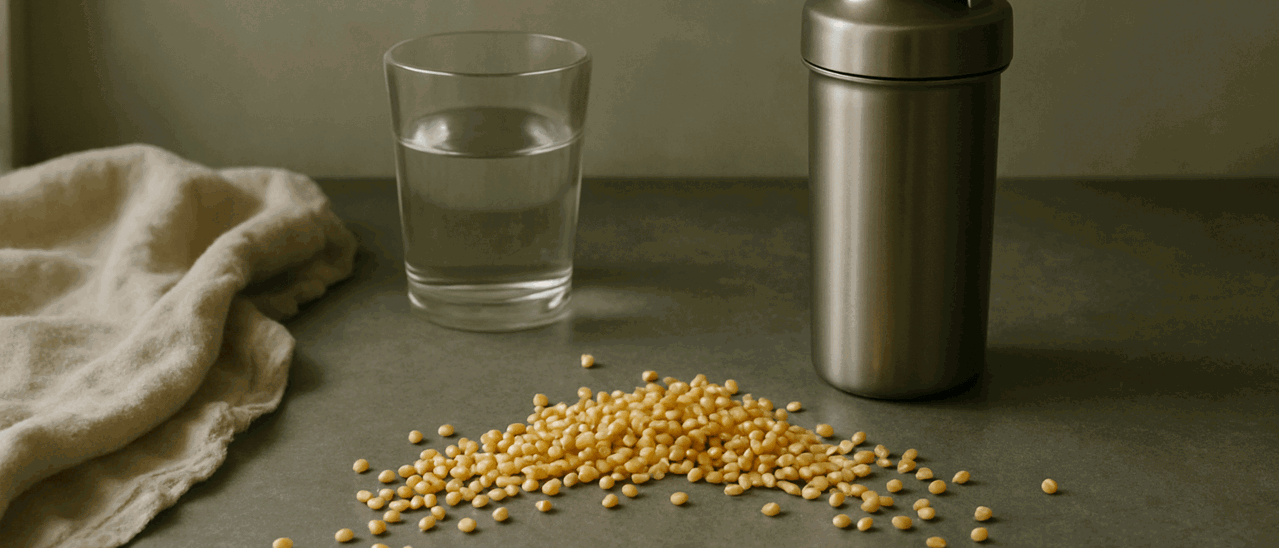
Protein is a building block of every cell in the body. Though beneficial to the health of almost anyone, protein supplements are frequently used by athletes, especially bodybuilders interested in maximising muscle gain. Due to its unique amino acid profile, pea protein powder is optimal for use in weight training and provides several advantages over soy protein powder. Hypoallergenic and suitable for vegans, pea protein powder is appropriate for a varied population.
Protein is a macronutrient the body cannot store
Protein, fat and carbohydrates are known as macronutrients. Unlike micronutrients, these macronutrients are needed by the body in large amounts for proper functioning. While the body can store fat and carbohydrates for later use, there is no such storage mechanism for protein. This makes adequate daily protein intake vital for optimal health.
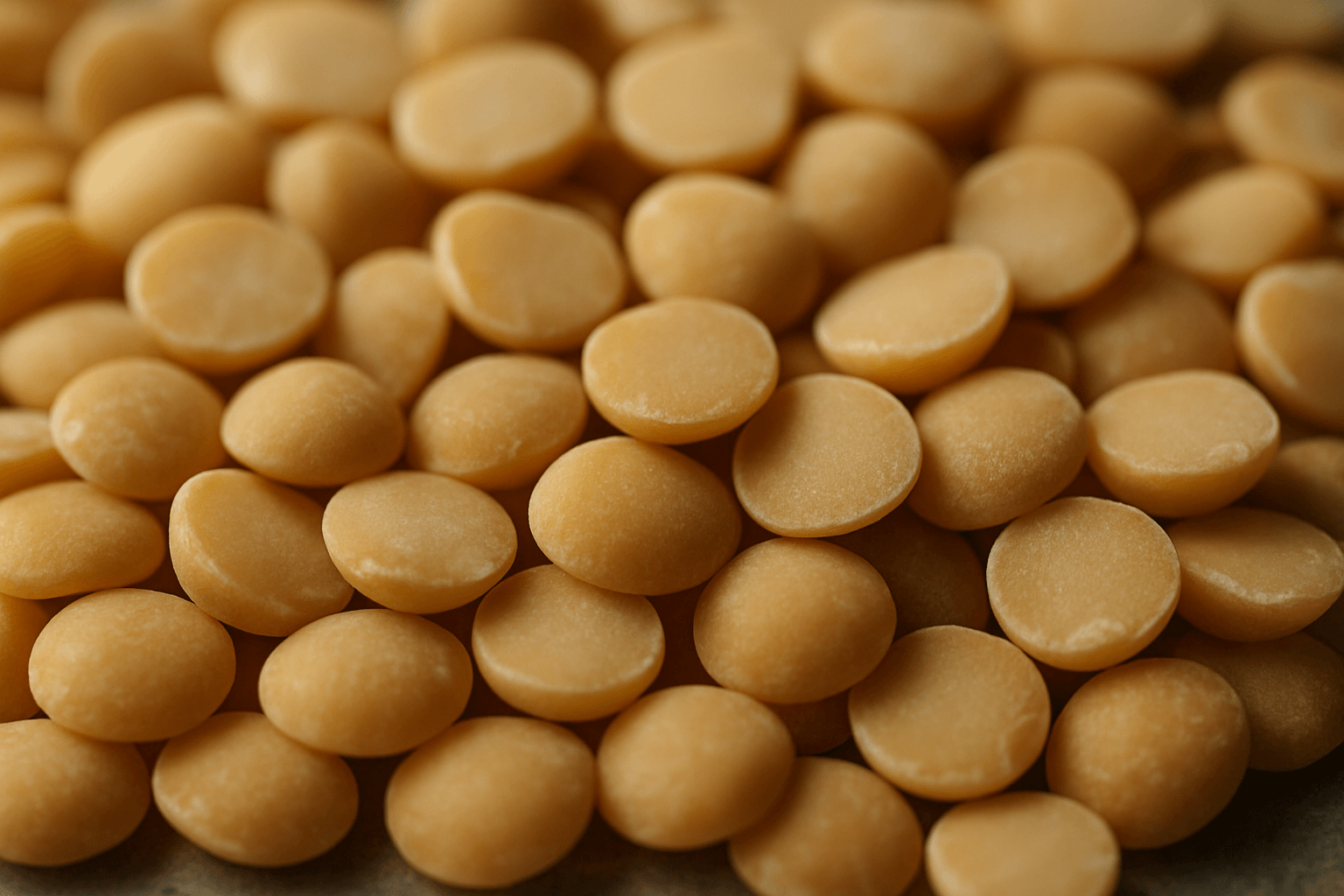
Essential and nonessential amino acids
When protein is consumed, the body breaks it down into amino acids. There are 20 amino acids which are classified as either essential or nonessential amino acids. The body can produce its own supply of nonessential amino acids, making the consumption of these somewhat less of an issue. Essential amino acids, as their name implies, cannot be created by the body and must be supplied by the foods we eat, making them an essential component of the diet. Furthermore, all foods containing protein are categorised as being either complete or incomplete proteins, with the former containing all of the essential amino acids in the correct amounts. It is only when all essential amino acids are present in the proper amounts that the body can create muscle. While incomplete proteins are obviously deficient in this respect, two or more such proteins can be combined to create a complete protein that will provide all the essential amino acids in the amounts required by the body.
What protein does in the body
Protein, well-known for its muscle-building ability, is also a major component in the creation of bones, skin and blood. Protein enhances immune system function, helping the body to fight infection and prevent disease. It is also necessary to repair tissue in cases of injury. By providing essential amino acids which the body cannot produce on its own, protein is the key to healthy muscle and blood cell production. The body can even use protein for energy production if carbohydrate supplies are not adequate. However, the body is not as efficient at using this source of energy, burning many more calories in this process than it does in the conversion of carbohydrates or fat to energy.
Protein and weight loss
Notably, this is what makes high protein diets advantageous to those following a weight loss plan, as the body revs up its metabolism in order to meet its energy requirements. The benefits of protein consumption also include increased satiety and fat burning, making it pivotal in healthy diets and effective weight loss programmes aimed at the loss of body fat and the preservation of muscle.
How much protein do you need each day?
Recommendations for proper levels of protein intake vary according to gender, age, weight and activity levels. In the UK the Reference Nutrient Intake for protein, set by SACN, is 0.75 grams of protein per kilogram of body weight per day. Using the reference body weights that figure is based on, that works out at roughly 45 grams a day for women and 56 grams a day for men. Most people in the UK already get enough protein, but often in the form of high-fat, high-calorie foods. Most would do well to replace such protein sources with a healthier alternative.
While the RNI is generally sufficient for sedentary individuals, protein requirements rise significantly during periods of growth or increased activity. For example, SACN adds 6 grams a day for pregnant women from around the thirteenth week, and more again while breastfeeding. Adolescents have protein requirements between 45 and 60 grams per day, significantly higher than what is needed during slower periods of growth. Finally, the protein requirements of bodybuilders and other athletes are also considerably higher than the RNI.
How much protein do athletes need?
Athletes need much more protein on a daily basis both to maintain current muscle and to allow for additional muscle growth. Protein requirements for athletes vary, with studies suggesting that endurance athletes and weight trainers need especially high levels of daily protein intake. The protein needs of endurance athletes are generally met with a daily intake of 1.37 grams per kilogram of body weight while weight lifters often require 2 grams per kilogram of body weight on a daily basis. During intense training, weight lifters need even more protein, up to 2.8 grams per kilogram of body weight every day. Such levels will maintain a positive nitrogen balance in these athletes which is necessary for the synthesis of new tissue.
Why choose pea protein powder?
For individuals with such high protein requirements, protein supplementation is almost a given as it would prove extremely difficult to consume adequate amounts of protein through the consumption of whole foods alone. The only remaining question is that of which protein supplement to use. For several reasons, pea protein powder is the best option for most people.