Pea Protein vs. Soy Protein: A Comparative Analysis
When it comes to choosing a plant-based protein powder, two popular options are pea protein and soy protein. While both have their merits, there are several reasons why pea protein might be considered superior, especially for those with specific dietary needs.
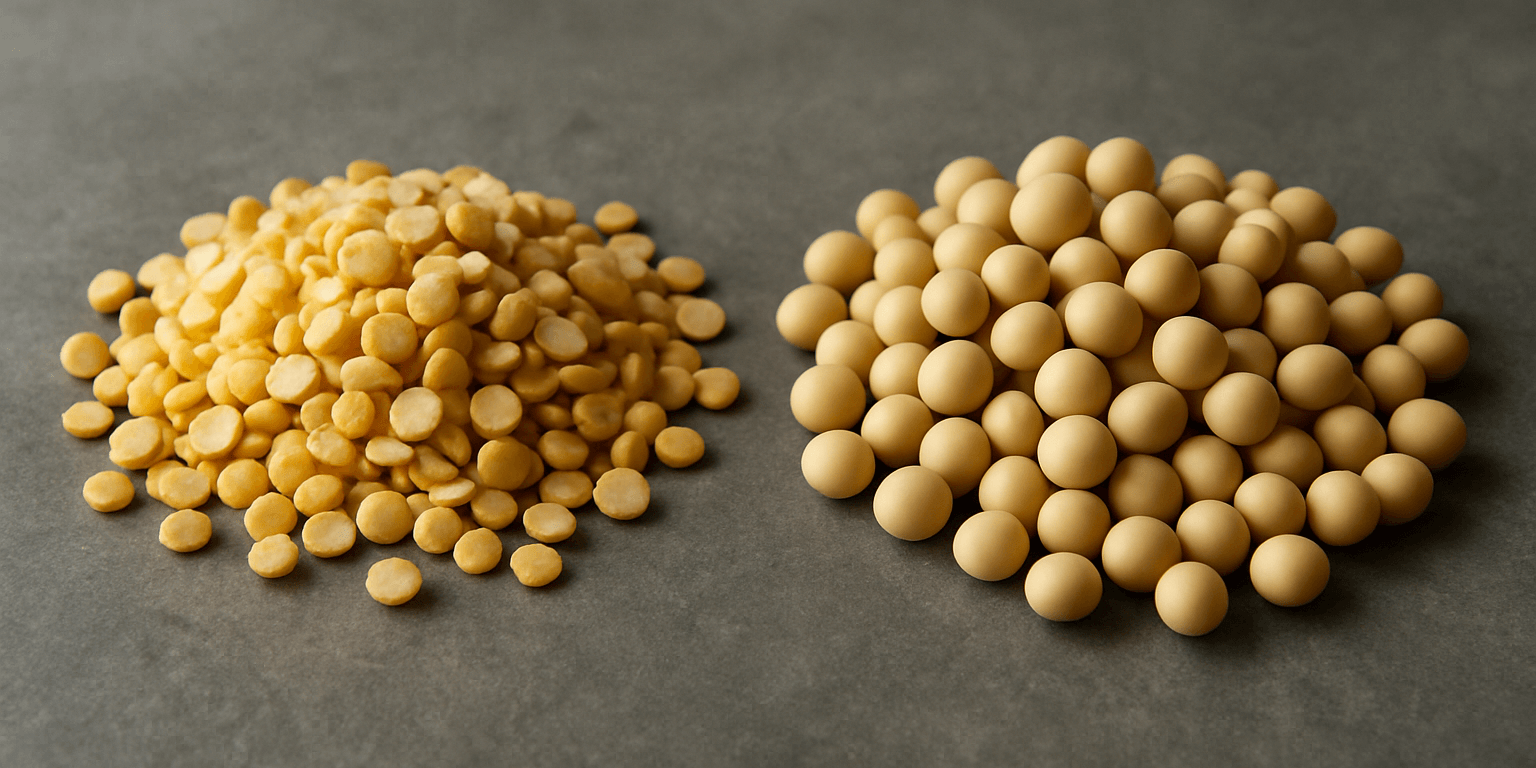
Hypoallergenic Properties of Pea Protein
One of the notable advantages of pea protein is its lower allergenic potential compared to soy protein. While no food can be guaranteed to be completely hypoallergenic due to individual sensitivities, pea protein is generally well-tolerated. In contrast, soy protein contains several allergens, including up to 28 different proteins that bind to IgE antibodies, the type responsible for triggering allergic reactions. These reactions can range from mild symptoms like sneezing and rashes to more severe ones such as lung irritation and digestive issues.
Potential Concerns with Soy Protein
Soy protein, while a nutritious option, does present some concerns. Unfermented soy contains enzyme inhibitors that could potentially interfere with protein digestion. This might lead to minor digestive discomfort for some individuals. Furthermore, soy contains phytates, which can inhibit mineral absorption, though this is often mitigated by dietary diversity and proper food preparation techniques.
Soy also contains phytoestrogens, compounds that can mimic oestrogen in the body. While beneficial in moderation, excessive consumption might lead to hormonal imbalances. Similarly, goitrogens in soy can affect thyroid function, particularly in individuals with pre-existing thyroid conditions. However, these effects are typically associated with consuming soy in very large quantities.
It's important to note that these concerns are often dose-dependent and do not affect everyone. Many people consume soy products without experiencing adverse effects, and soy remains a valuable source of complete protein for vegetarians and vegans.
So, pea or soy?
For most people either will do the job, and soy remains a perfectly good complete protein that plenty of vegetarians and vegans get on with quite happily. The concerns above are real, but they are dose dependent and show up at intakes most people never reach.
Pea protein is the safer default in three specific cases: if you have known allergies, since soy carries up to 28 IgE-binding proteins while pea is generally well tolerated; if other powders leave you with digestive discomfort; or if you have a pre-existing thyroid condition, which is the one case where soy's goitrogens are worth taking seriously. Outside those three, the choice comes down to price, taste and what you can get hold of.
Neither is your only option, either. It is worth knowing what the other plant proteins bring before you settle on one.